When You Inherit a House: Why a Probate Property Buyer Might Be Your Best Option
There is a specific kind of exhaustion that comes with inheriting a house you did not expect. Maybe it is the family home in a city you left years ago, or a small rental property your uncle owned near the coast. The initial grief fades, and then the practical questions start. Who handles the mortgage? What about the property taxes? And the biggest one: what do you do with a house you cannot move into and cannot afford to keep up?
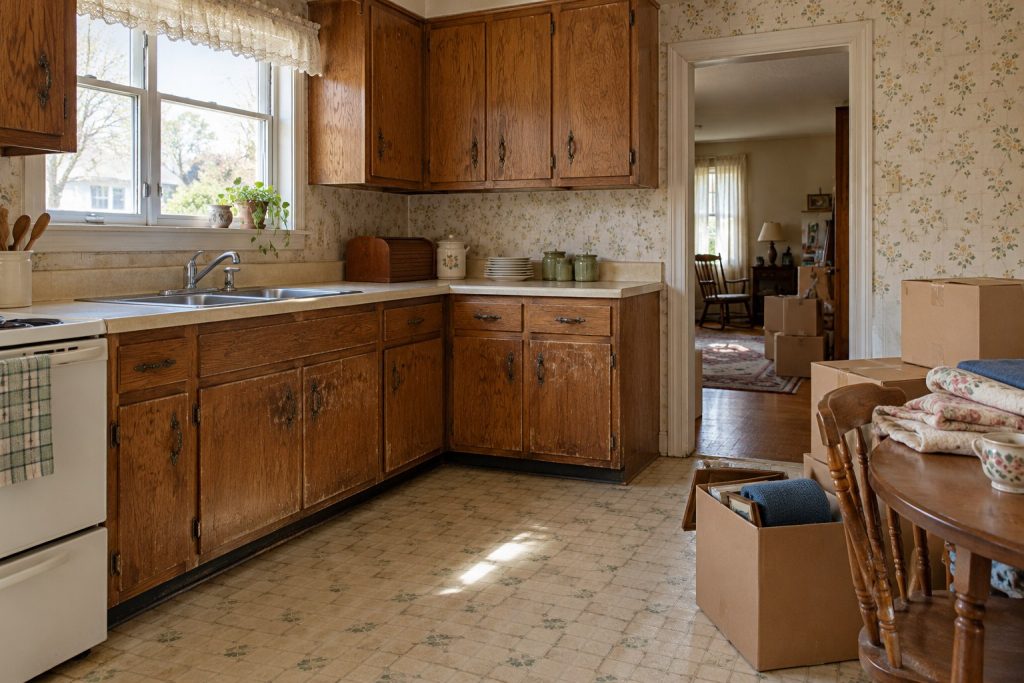
Every year, thousands of Americans become what the industry calls accidental landlords or reluctant heirs. They hold the deed to a property that feels more like an obligation than an asset. The roof needs work. The kitchen has not been updated since the 1970s. The yard is overgrown. And the probate process, which is the legal mechanism for transferring ownership after someone dies, can stretch on for months or even years in some jurisdictions. During that time, the house sits empty. Utility bills pile up. Insurance becomes harder to get. And the emotional weight of the place starts to compound the financial stress.
This is where a probate property buyer can change the entire picture. A probate property buyer is not a flipper or a wholesaler in the traditional sense. They are a cash buyer who understands the specific legal and logistical hurdles that come with inherited property. They know how to work with executors, how to read a probate court timeline, and how to make an offer that respects the complexity of the situation. For someone who just wants to close this chapter and move on, that expertise is worth a lot.
What Makes Inherited Property Different From a Regular Sale
Most homeowners who sell through a real estate agent have a certain amount of control. They can stage the house, make minor repairs, and list it when the market is hot. An inherited property rarely comes with that luxury. The owner has passed away. The house might have been neglected for years. And the heirs often live in different states or have conflicting opinions about what to do with it.
On top of that, there is the probate court process. In many states, the court must approve the sale of a house that is part of an estate. That approval can take time. It can also require specific paperwork and notifications. A standard real estate transaction, where the seller lists on Zillow and waits for offers, is not designed for this kind of timeline. A cash buyer who specialises in these situations knows how to structure the deal so that it satisfies the court without falling apart.

Another common complication is heir property. This happens when multiple family members inherit a house together, often without a clear title. Heir property is common in certain parts of the South and among families who have owned land for generations without formal estate planning. Selling heir property through a traditional real estate agent can be a nightmare. Every heir has to agree. And if one person refuses, the whole deal stalls. A probate property buyer has experience untangling these ownership webs and working with title companies to clear the path.
The Cash Offer Difference
One of the hardest parts of selling an inherited house is the condition of the property itself. Most inherited houses are fixer-uppers. They have deferred maintenance, outdated systems, and sometimes serious structural issues. A typical buyer who needs a mortgage will not qualify for a loan on a house with major problems. That means the pool of potential buyers shrinks dramatically. You are left with real estate investors who want a steep discount or you have to put in thousands of dollars of work just to make the house marketable.
A probate property buyer makes a cash offer. They do not need a home appraisal to satisfy a lender. They do not need the house to pass a FHA or VA inspection. They buy it as-is, which means you do not have to spend a dime on repairs. That cash offer is usually lower than what you might get on the open market if the house were in perfect shape. But the trade-off is speed, certainty, and simplicity. You are not paying carrying costs for six months while you wait for the right buyer. You are not dealing with a deal that falls through because the buyer could not get financing.
For many heirs, the difference between a traditional sale and a cash sale comes down to time. If you have a full-time job and a life in another city, the time it takes to manage a renovation, list the house, hold open houses, and negotiate with buyers is time you simply do not have. A probate property buyer can close in a matter of weeks, not months. And because they are buying cash, there is no mortgage contingency to worry about.
Foreclosure and Tax Lien Risks
One scenario that catches many heirs off guard is the hidden debt attached to the property. The deceased might have owed back taxes. There could be a tax lien on the house, or the property might be in the middle of a short sale or even a foreclosure. When you inherit a house, you inherit the liens and the legal exposure that come with it. If the estate does not have enough cash to pay off those debts, the bank or the county can come after the house itself.
Working with a probate property buyer who understands these risks is critical. They can structure the transaction so that the proceeds go to satisfy the tax lien or the mortgage first, and the heirs get whatever is left. In some cases, the buyer can negotiate directly with the lender or the HUD office to clear the title. That is not something a typical FSBO seller would know how to handle. It takes experience with distressed real estate and the willingness to wade through bureaucracy.
The same logic applies to properties that are in foreclosure. If the deceased stopped making mortgage payments before they passed, the clock is already ticking. A probate property buyer can move fast enough to buy the house before the foreclosure sale happens, which might save the equity from being completely wiped out. That is a real benefit for heirs who would otherwise walk away with nothing.
Equity Release Without the Headaches
For some families, the inherited house represents a significant amount of equity. But that equity is locked up in a property that is not liquid. You cannot pay a bill with a bedroom. You cannot split a roof among three siblings. A probate property buyer offers a way to release that equity quickly. You get a cash payment for the house, and you can divide it however the estate dictates. No waiting for a buyer to get a loan. No unexpected closing costs that eat into the proceeds.
The trade-off, again, is price. A cash buyer is not going to pay full retail value. They are taking on risk. They are buying a house they have not inspected thoroughly, and they are paying for the convenience of a fast close. But for many people, that convenience outweighs the discount. The alternative is often a long, stressful process that ends with the same result or worse.
There is also the matter of the 3-day rescission period. In many states, a cash sale does not include a right of rescission, which means once you sign, the deal is done. That is a good thing for certainty. The buyer cannot back out after three days. But it also means you need to be confident in your decision before you sign. That is why working with a reputable buyer matters. You want someone who will be transparent about what they are offering and why.
How to Know If a Probate Property Buyer Is Right for You
Not every inherited property needs to go to a probate property buyer. If the house is in great shape and located in a hot market, you might get a better price by listing it with a real estate agent. But if the house needs work, if the title is messy, or if you just want to walk away without spending another year of your life on it, a probate property buyer makes sense.
Ask yourself a few questions. Do you have the money to make repairs? Do you have the time to manage a sale? Are all the heirs on the same page? If any of those answers is no, then a cash buyer is worth considering. The key is to find someone who has done this before. A buyer who knows how probate court works, who has relationships with title companies, and who can close on time is worth more than a few extra percentage points on the price.

Companies like Opendoor have popularised the concept of instant cash offers for homes. But Opendoor is built for move-in ready houses in suburban markets. They are not set up for a fixer-upper with a cloudy title. A dedicated probate property buyer fills that gap. They specialise in the hard stuff. They are the real estate investors who understand that a house is not just a house. It is a family history, a legal puzzle, and a financial burden all wrapped into one.
The bottom line is that inheriting a house does not have to derail your life. With the right buyer, you can turn that inherited property into cash in a matter of weeks, close the estate, and move forward. It is not the right move for everyone. But for a lot of people, it is the most practical path out of a complicated situation.